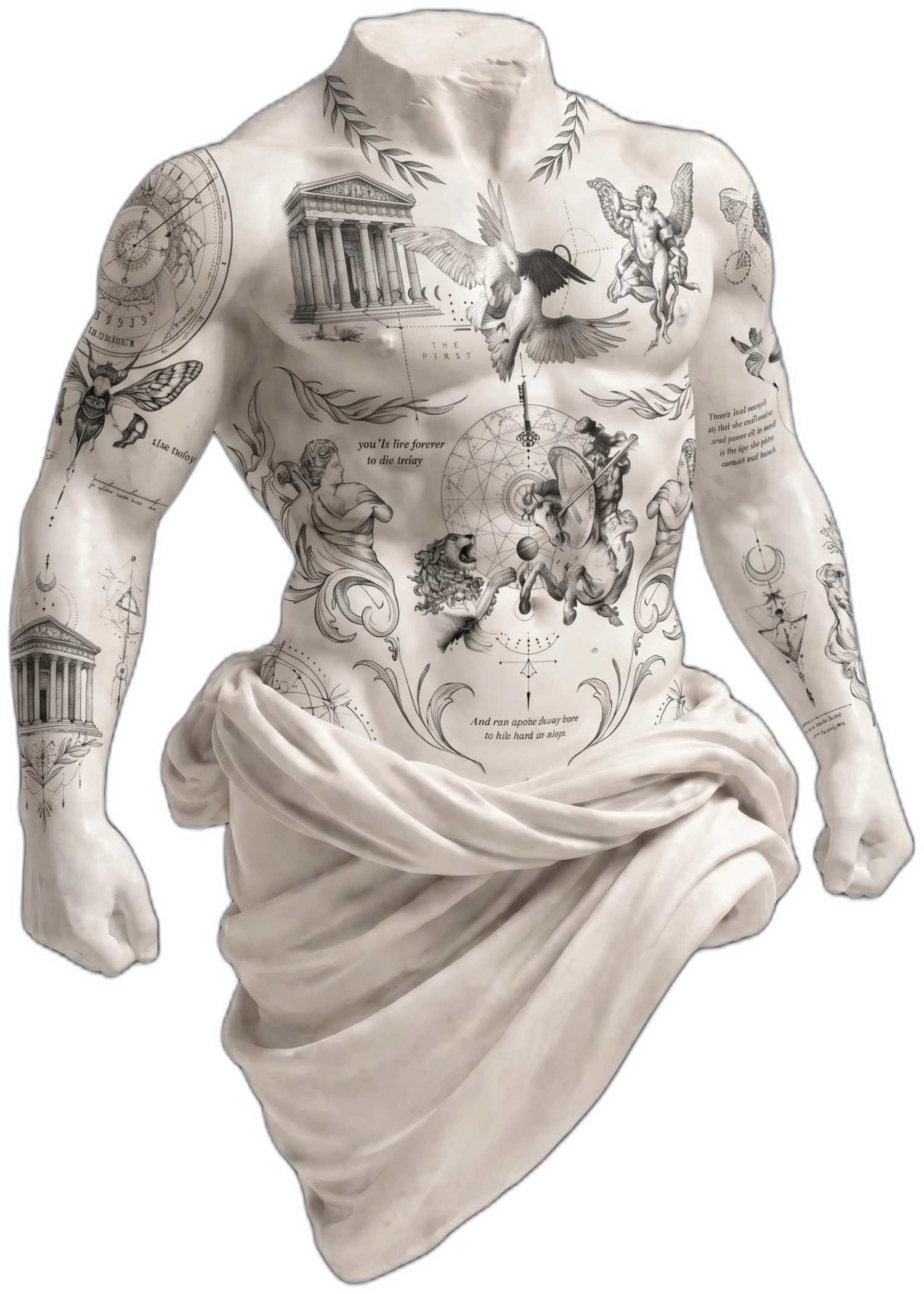
Case study: a forearm piece approved in one round instead of three
An illustrative walkthrough of a fine-line forearm consult: where the usual redraws come from, and how a 3D preview with real sizes settled placement before the stencil.
The InkVista3D team
2 min read
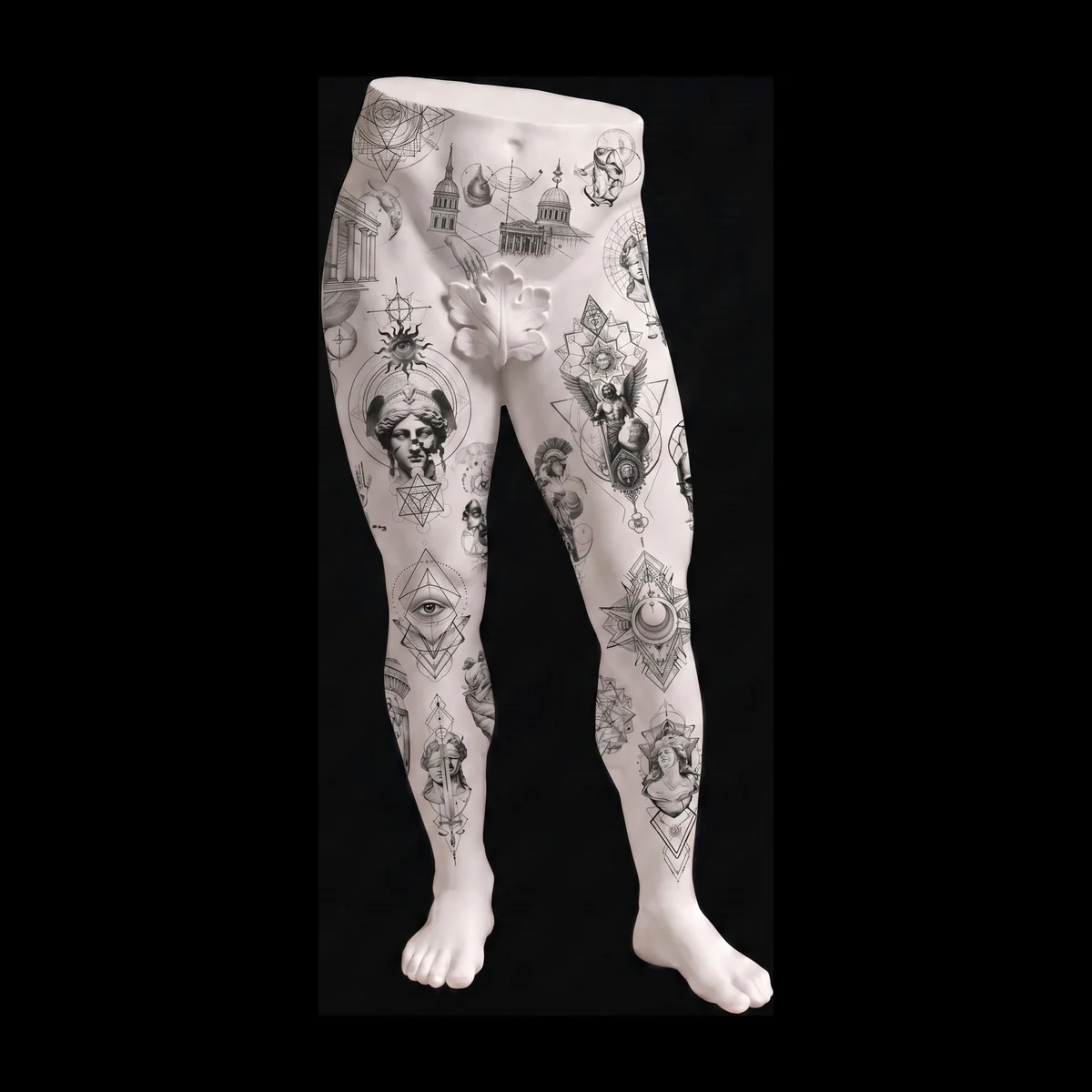
The request: a client wants a fine-line botanical piece on the inner forearm, "about this big", shown with a finger and thumb. They found a reference online and they're excited. The artist has a slot in three weeks.
The usual way: three rounds
Without a preview, a consult like this tends to go the same way. The artist draws the piece and sends a flat image in a DM. The client likes it, but asks whether it can be "a bit bigger". The artist scales it up and sends it again. On the day, with the stencil on, the client sees that the top of the design wraps out of sight around the inside of the arm, and asks to move it down. The stencil comes off and the session starts late.
- Round one was about the design, which was fine all along.
- Round two was about size, measured in "a bit".
- Round three was about placement, discovered with the stencil already on the skin.
None of those rounds were about the artwork. They were about questions a flat image can't answer.
With a 3D preview: one round
- The artist creates a project, picks a close-up arm and sets the skin tone close to the client's.
- They place the design on the inner forearm and size it. The size readout shows about 14 cm tall.
- They turn the arm: from the front, the side, and with the palm facing up. The top of the design starts to curve away, so they move it about 2 cm down before sending anything.
- They create a share link with an access code and send both to the client.
The client opens the link on their phone, turns the arm themselves and pins one comment on the body: "Could the leaves at the bottom stop above the wrist?" The artist trims the lowest leaf, updates the design in the same project, and the client sees the change on the same link. They press Approve design.
The difference isn't a better drawing. It's that every question about size and placement got answered before the session, by the client, in their own hands.
On the day
The artist prints the stencil PDF at the approved width, checks it against the client's arm and starts on time. The approval sits in the project, so there's no debate about what was agreed.
What made the difference
- Real units instead of "a bit bigger". The size readout turned a feeling into a number both sides agreed on.
- Checking angles before sending. The artist caught the wrap-around problem themselves, so the client never saw it.
- Feedback pinned to the body. "Here" means one exact spot, not a paragraph of description.
- One link for every version. No hunting through a DM thread for the latest file.
2 min read
Try it on your next client
Put your design on a 3D body in about five minutes.
Free to start, no credit card. One full client project with sharing and approval.